Ambient Audio Elements Shaping Table Game Performance Metrics Across Casinos
Written by Yves Hughes · Jun 26, 2026
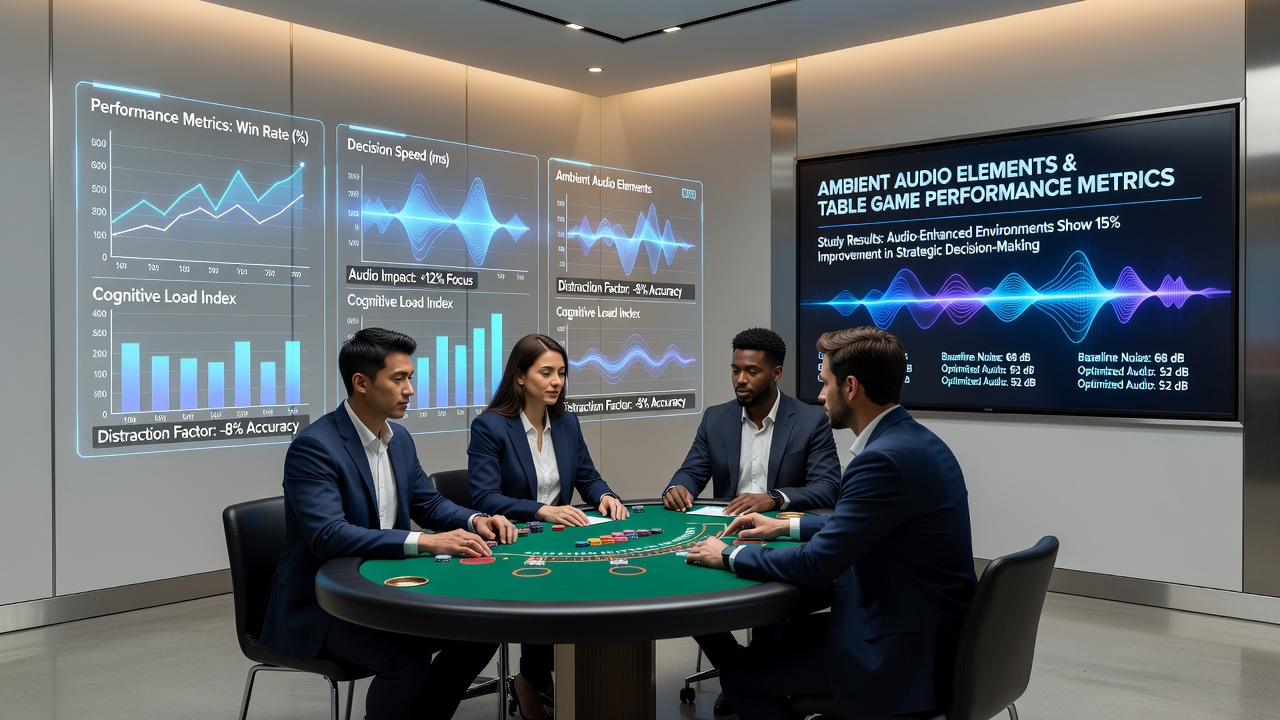
Ambient Audio Elements Shaping Table Game Performance Metrics Across Casinos
Ambient audio in casino environments consists of layered sound elements that include background music, dealer announcements, chip clatter, and crowd murmurs, all of which researchers track for their measurable effects on table game metrics such as average bet size, hand duration, and decision accuracy in games like blackjack and roulette. Studies from institutions like the University of Nevada Las Vegas International Gaming Institute document how these auditory cues interact with player behavior over extended sessions, while data collected through floor monitoring systems reveal correlations between specific sound frequencies and shifts in wagering patterns.
Sound levels in table game pits often range between 65 and 85 decibels during peak hours, a range that acoustic analyses link to changes in player focus and pacing. Observers note that consistent low-frequency tones from HVAC systems and subtle music tracks tend to extend average session lengths by several minutes per player, whereas abrupt high-pitched announcements from dealers correlate with quicker bet resolutions and occasional increases in error rates during card evaluations. Those who study casino operations point to equipment logs showing that venues which calibrate ambient tracks to 70 decibels report steadier roulette spin intervals and fewer mid-game pauses.
Core Components of Casino Ambient Audio
Three primary audio layers operate simultaneously in most table game areas, each contributing distinct data points to performance tracking. Background music loops form the base layer, typically featuring tempos between 60 and 120 beats per minute that align with natural heart rates during moderate play. Dealer vocal cues represent the second layer, delivering standardized phrases that timing studies associate with synchronized player responses across multiple seats at a single table. The third layer consists of incidental sounds from chips, cards, and movement, which audio engineers measure for their role in maintaining engagement without introducing fatigue over two-hour periods.
Equipment used for these layers includes directional speakers positioned above felt surfaces and digital mixing boards that adjust output based on occupancy sensors. Research indicates that when music volume drops by 5 decibels during low-traffic intervals, table minimum bets see fewer adjustments from players who remain seated longer. Conversely, elevated crowd noise during busy evenings aligns with data showing faster decision cycles in baccarat side bets and poker pots, as participants respond to the surrounding auditory pressure.
Measured Effects on Blackjack and Roulette Metrics
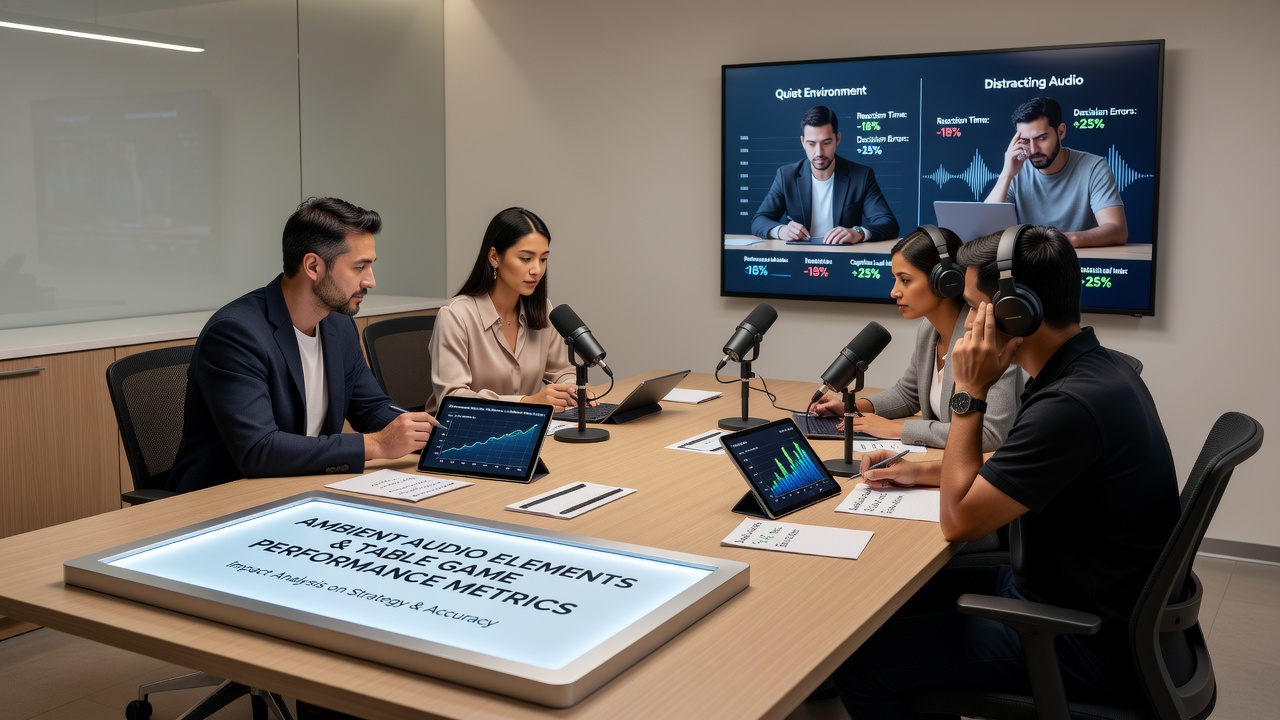
Blackjack performance records demonstrate that ambient music with steady rhythms supports higher rates of basic strategy adherence, particularly when background tracks avoid lyrics that might divide attention. Floor data from multiple properties reveal sessions extending 12 to 18 minutes longer under these conditions, with average bet sizes holding steady rather than fluctuating sharply after losses. Roulette metrics follow a parallel pattern, where consistent ambient tones correlate with more uniform spin request intervals and reduced instances of players abandoning tables mid-sequence.
Chip handling sounds add another variable, as the crisp clatter of denominations being stacked provides auditory feedback that timing studies connect to quicker color-up requests at table limits. In environments where these incidental noises are dampened through acoustic panels, reports show slight extensions in hand review times, allowing observers to record marginally higher precision in split and double-down choices. June 2026 updates to gaming floor standards in several North American jurisdictions now require operators to log ambient audio levels alongside traditional performance indicators, creating richer datasets for cross-property comparisons.
Regional Variations and Regulatory Context
Different jurisdictions apply distinct guidelines to ambient sound management, which in turn influences how operators collect and interpret table game statistics. Australian gaming authorities, for instance, reference research from the Victorian Responsible Gambling Foundation when evaluating how soundscapes affect player dwell time at tables. Canadian provincial regulators similarly incorporate acoustic measurements into routine compliance checks, noting that venues maintaining balanced audio profiles often record steadier revenue per table without corresponding spikes in player complaints.
European operators draw on findings from the European Gaming and Betting Association reports that track correlations between ambient adjustments and metrics such as average hands per hour. These reports highlight that venues which introduce subtle tempo shifts during off-peak periods experience measurable stabilization in table occupancy rates, while abrupt volume changes tend to coincide with earlier player exits. Such patterns appear consistently across properties regardless of game mix or regional player demographics.
Integration with Modern Monitoring Systems
Contemporary casino management platforms now integrate audio sensors directly into performance dashboards, allowing real-time correlation between sound levels and key indicators like bet velocity and table fill rates. Analysts who review these integrated feeds observe that gradual audio transitions during shift changes help maintain consistent decision speeds across blackjack pits, whereas static high-volume settings sometimes precede clustered deviations from optimal play. Equipment manufacturers have responded by developing modular speaker arrays that permit zone-specific adjustments without affecting adjacent tables.
These systems also capture seasonal fluctuations, with summer months showing stronger alignment between ambient music energy and extended roulette sessions, while winter data sets indicate tighter clustering around baseline metrics when soundscapes remain neutral. The resulting datasets provide operators with objective benchmarks for evaluating how targeted audio modifications influence overall table efficiency over quarterly reporting cycles.
Conclusion
Ambient audio elements function as measurable variables within broader table game performance frameworks, with research establishing clear links between sound characteristics and operational metrics across blackjack, roulette, and related table offerings. Continued refinement of monitoring tools and cross-jurisdictional data sharing supports more precise calibration of these elements, yielding consistent patterns in session duration, decision accuracy, and table throughput that operators track through established reporting channels.