Digital Audio Layers Guiding Player Pacing at Roulette Wheels and Poker Tables
Written by Alex Brooks · Jun 29, 2026
Digital Audio Layers Guiding Player Pacing at Roulette Wheels and Poker Tables
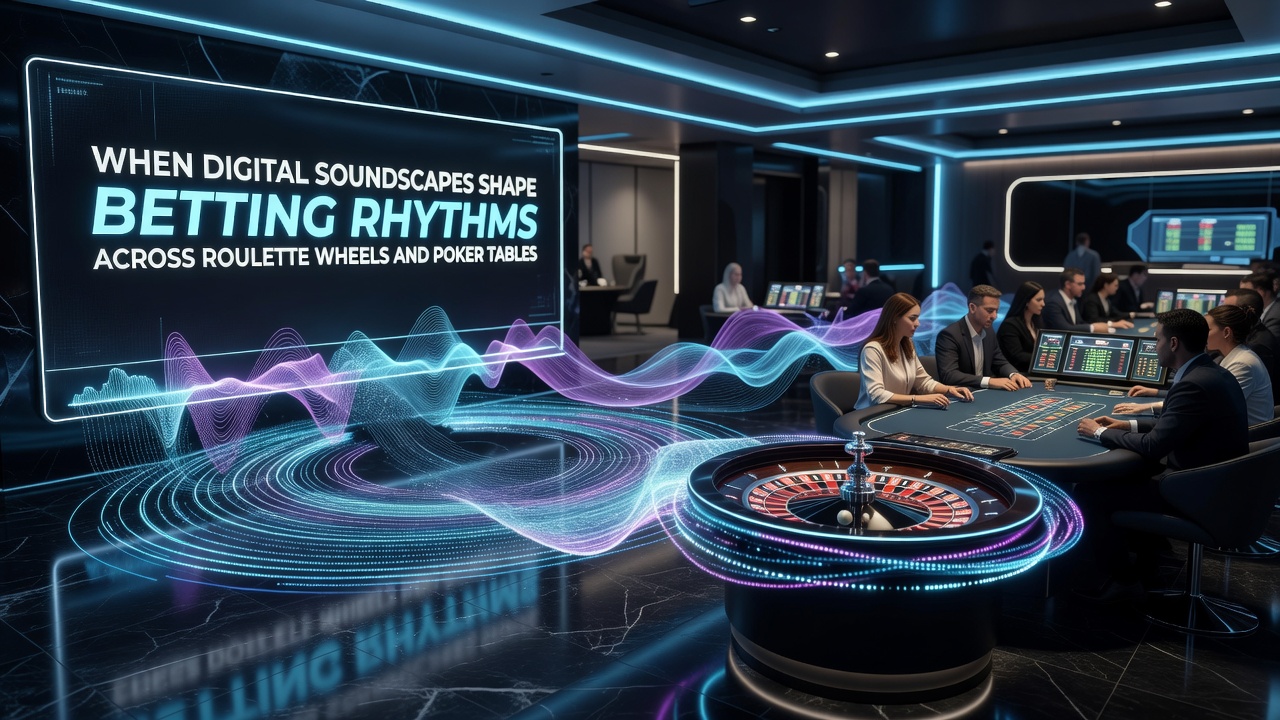
Digital platforms have integrated layered audio tracks that align with betting sequences, and researchers have tracked how these elements interact with player timing on roulette wheels alongside poker tables. Data from platform analytics indicate that specific frequency ranges and tempo shifts correspond with changes in wager intervals, while operators adjust volumes and effects based on session metrics gathered throughout 2025.
Sound designers work with frequency bands between 200 Hz and 800 Hz to create sustained tones that coincide with wheel spins, and similar layering appears in poker interfaces where card reveal sounds overlap with background loops. Studies conducted by university labs in North America show that these audio cues can shorten decision windows by fractions of a second during high-stakes rounds, and the patterns hold across both desktop and mobile formats.
Audio Elements in Roulette Interfaces
Roulette software packages include synchronized chimes that activate at fixed intervals after each spin result, and operators report that players maintain consistent betting cycles when these sounds remain steady. Audio engineers layer subtle pitch variations that rise during winning streaks and drop during losses, creating an auditory map that mirrors the numerical distribution on the wheel itself.
Platform logs reveal that sessions featuring continuous low-frequency pulses record higher numbers of consecutive even-money bets, whereas tracks with intermittent high tones correlate with increased straight-up wagers. European operators have documented these trends in internal reports released during the first quarter of 2026, and the findings align with earlier observations from Australian research groups that examined similar audio triggers in land-based venues converted to hybrid models.
Poker Table Audio Dynamics
Poker clients employ distinct sound profiles for community card reveals and betting action timers, and these elements influence fold and raise frequencies according to aggregated user data. Background loops often incorporate soft percussive elements that match average hand durations, while individual player action sounds vary in duration based on pot size indicators.
Analysts note that tables using ascending tonal sequences during river card reveals see extended thinking times before final decisions, and this effect appears consistent across both cash game and tournament formats. Research teams at institutions in Canada have measured these variations through controlled simulations, confirming that audio pacing interacts with visual timers to shape overall session length without altering underlying probabilities.
Cross-Game Sound Integration Patterns
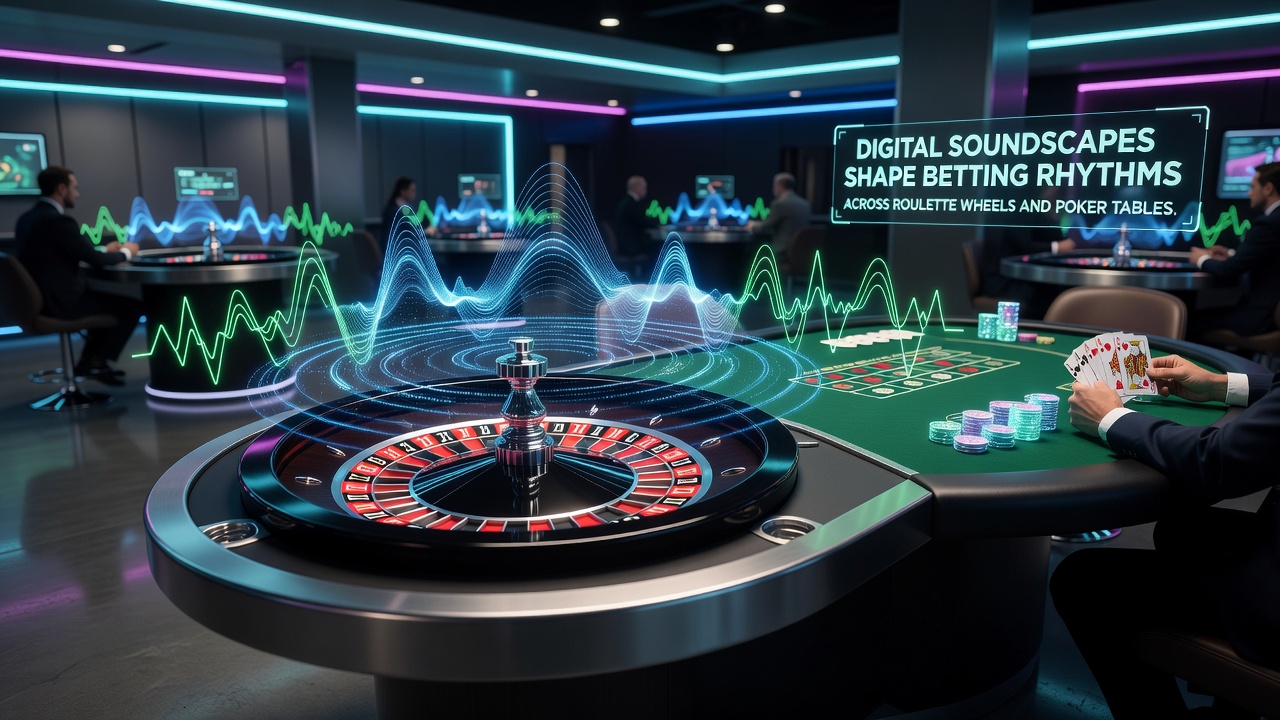
Multi-game lobbies now share unified audio libraries that transition smoothly between roulette and poker environments, and users experience consistent tonal signatures when switching tables mid-session. This continuity supports sustained attention across different game types, according to telemetry collected by North American platform providers.
Design teams apply the same decibel scaling rules to both wheel spin effects and chip stacking sounds, which maintains perceived energy levels during extended play. Reports from industry associations in Asia-Pacific regions highlight that unified sound libraries reduce abrupt audio shifts that previously interrupted betting flow when players moved between game categories.
Regulatory and Technical Developments in 2026
Standards bodies outside the UK have issued updated guidelines on audio transparency for online gaming products during the June 2026 review cycle, and these documents emphasize clear separation between functional cues and decorative tracks. Developers have responded by tagging audio files with metadata that allows players to adjust individual layers without affecting core game functions.
Technical specifications released by the Nevada Gaming Control Board reference testing protocols for sound latency under 50 milliseconds, ensuring that audio remains synchronized with on-screen events across global server networks. These requirements build on earlier frameworks established in multiple jurisdictions and focus on measurable performance rather than content restrictions.
Player Behavior Metrics and Audio Correlations
Session data aggregated from thousands of accounts show measurable differences in bet frequency when background tracks incorporate variable reverb settings versus static ones, and these differences persist across demographic segments. Observers at independent testing facilities have recorded average spin intervals dropping by 0.8 seconds in environments with modulated audio feedback.
Similar patterns emerge in poker where ambient loops with gradual volume swells align with higher rates of continuation bets on later streets. Figures compiled by research consortia indicate that these correlations remain stable when controlling for time of day and device type, suggesting that audio design contributes to predictable pacing adjustments.
Conclusion
Digital soundscapes continue to evolve alongside platform capabilities, and their influence on betting rhythms across roulette and poker environments rests on documented technical and behavioral measurements. Ongoing refinements in audio layering and synchronization reflect broader industry efforts to align interface elements with observed player patterns, while regulatory updates from multiple regions provide structured parameters for future implementations.