Entain Calls for Ban on Premier League Clubs' Deals with Unlicensed Gambling Sponsors
Written by Yves Hughes · May 8, 2026

Entain Calls for Ban on Premier League Clubs' Deals with Unlicensed Gambling Sponsors
The Push from Entain in May 2026
Entain, a major player in the gambling industry, has stepped up during a public consultation on the Independent Football Regulator's (IFR) draft code of licensing practice, urging the body to outright prohibit Premier League clubs from striking sponsorship deals with gambling operators unlicensed in Great Britain; this move comes as the 2025-2026 season unfolds with several top-flight teams already sporting logos from such firms on their kits and pitchside displays. Clubs like Everton with Stake.com front-of-shirt branding, Sunderland backed by W88, Fulham tied to SBOTOP, Bournemouth featuring bj88, and Burnley displaying 96.com have drawn particular attention, while data reveals that 18 out of 20 Premier League sides also run ads from these unlicensed entities on LED boards during matches, amplifying their visibility to millions of viewers worldwide.
What's interesting here is how Entain positions this call not just as regulatory housekeeping but as a safeguard against the risks posed by an unregulated market, especially since recent tax hikes on UK-licensed operators have nudged clubs toward offshore alternatives that skirt local oversight. Observers note that the IFR, established to oversee football club finances and ownership, now faces a pivotal moment in its early days, with this consultation shaping codes that could redefine sponsorship landscapes come the next season.
Clubs Deep in Unlicensed Sponsorship Waters
Take Everton's partnership with Stake.com, a deal that places the operator's name prominently across players' chests during high-stakes fixtures; similar arrangements proliferate, as Fulham's SBOTOP logo gleams under floodlights, Bournemouth's bj88 catches the eye on matchdays, and Burnley's 96.com branding underscores a trend where Championship hopefuls like Sunderland join the fray with W88. These front-of-shirt deals, lucrative amid rising broadcast revenues, coexist with pervasive LED advertising, where 90% of Premier League clubs flash unlicensed gambling promotions to stadium crowds and TV audiences alike, turning every goal celebration into inadvertent marketing for firms operating beyond UK Gambling Commission (UKGC) reach.
And yet, the sheer volume underscores a shift; figures from the season show these sponsorships filling coffers strained by financial fair play rules, but Entain highlights the flip side, pointing to how unlicensed operators evade the stringent protections UK players enjoy under regulated frameworks. People who've tracked Premier League finances over the years often point out that such deals exploded post-2020, coinciding with broadcast windfalls, although now regulators circle back with tools like the IFR to rein them in.
Stake.com's Licence Surrender Sets the Stage
Stake.com's decision to surrender its UKGC licence last year amid a review of promotional content serves as a stark example, illustrating the very pitfalls Entain warns against; the operator, once licensed, pulled back as scrutiny intensified over aggressive marketing tactics, leaving a void that other unlicensed players eagerly fill. This backdrop fuels Entain's submission to the IFR consultation, where the company argues that allowing such sponsorships normalizes access to unregulated betting environments, potentially exposing fans—many of whom are young and impressionable—to higher risks without the safeguards of UK standards like age verification or responsible gambling tools.
Tax Hikes and the Pull of Offshore Markets
Recent tax increases on gambling operators licensed in Great Britain have accelerated this drift toward unlicensed sponsors, as clubs seek maximum revenue from deals unburdened by local duties; Entain's response lays bare how these hikes, aimed at bolstering public funds, inadvertently boost offshore firms that pay nothing into UK coffers while targeting British punters through football's global platform. Reports indicate that the unregulated market thrives on this arbitrage, offering clubs fatter deals since they dodge compliance costs, but at the expense of consumer protections that licensed operators like Entain must uphold.
Turns out, this dynamic plays out vividly in the Premier League, where LED boards—those dynamic pitchside screens—serve as billboards for 18 clubs' unlicensed partners, flashing bonuses and odds to 40,000-plus fans per game; experts who've analyzed match broadcasts note how these ads reach billions via streaming, embedding unlicensed brands in football culture without the oversight that defines regulated gambling. Entain's call to the IFR seeks to close this loophole through the draft code, proposing that clubs' licences hinge on rejecting such sponsorships outright, a measure that could ripple through lower tiers as well.
The IFR Consultation: A Turning Point
The public consultation on the IFR's draft code, running through May 2026, invites input from stakeholders like Entain, clubs, fans, and regulators, with responses shaping rules on everything from owner vetting to commercial partnerships; by submitting this prohibition request, Entain aligns with broader industry pushes for a level playing field, where licensed operators compete on merits rather than regulatory evasion. Data from similar consultations shows high engagement—over 10,000 responses in past football governance reviews—suggesting the IFR could enact changes swiftly, potentially barring unlicensed sponsors before the 2026-2027 season kicks off.
But here's the thing: while clubs defend these deals as vital revenue streams (Everton's Stake.com pact alone reportedly worth millions), the IFR's mandate emphasizes fan welfare and financial sustainability, tools that could tip the scales toward Entain's vision. Those who've followed UK gambling regulation know that precedents exist, like the 2020 front-of-shirt ban on licensed gambling firms (now lapsed), proving policymakers can pivot when evidence mounts.
Risks Highlighted in the Unregulated Space
Unlicensed operators, often based in jurisdictions with lax rules, expose UK bettors to pitfalls absent in regulated markets, such as weaker anti-money laundering checks or unmonitored ads; Stake.com's licence exit last year, triggered by UKGC probes into promotions, exemplifies how even borderline players falter under scrutiny, yet their football sponsorships persist, beaming their brands into living rooms across Britain. Entain's intervention spotlights this disconnect, arguing that Premier League visibility legitimizes firms preying on vulnerable fans, much like patterns seen in reports on GamStop users targeted by unlicensed networks.
Now, with the IFR empowered by the Football Governance Bill, clubs face a reckoning; 90% LED ad penetration among top teams means every match indirectly endorses these operators, and Entain pushes for codes that revoke licensing privileges for non-compliance, a stick that could deter even cash-strapped sides. Observers point to Championship clubs like Burnley and Sunderland as test cases, where unlicensed shirt sponsors blend seamlessly into promotions, underscoring the need for league-wide bans.
Broader Industry Echoes
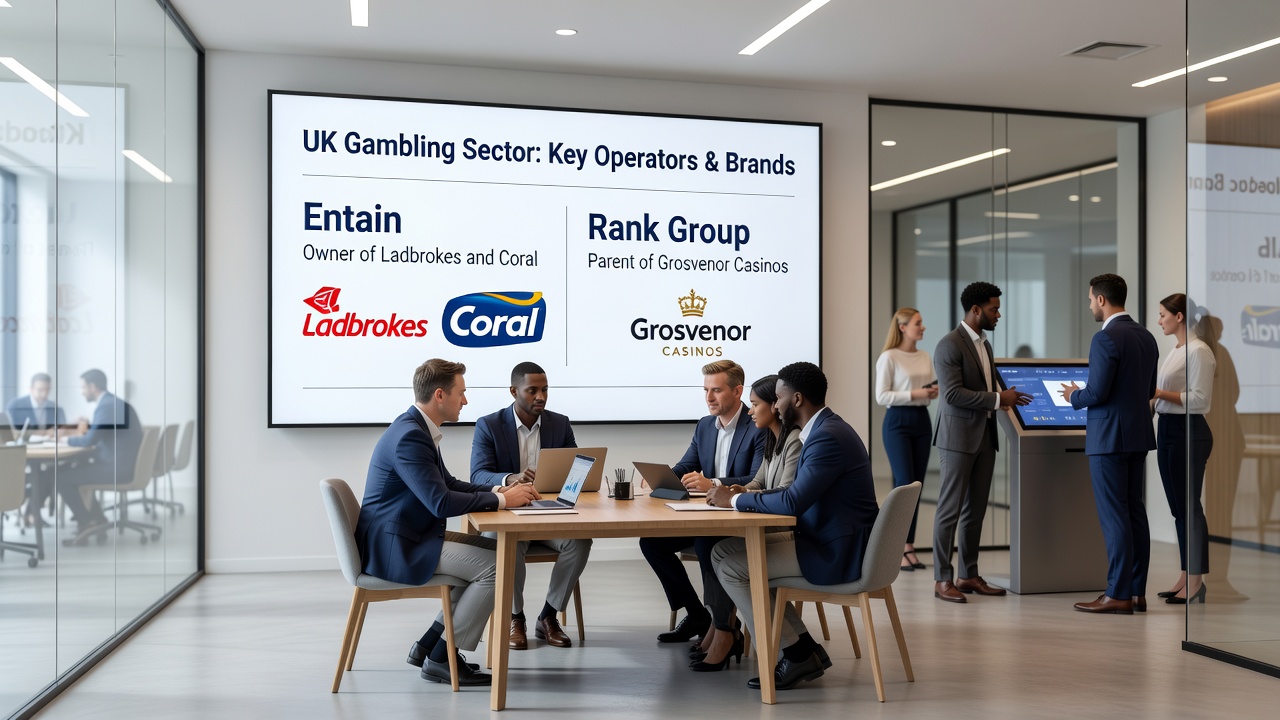
Entain, owner of Ladbrokes and Coral, knows the terrain intimately, having navigated UKGC rules while competitors offshore; their consultation response details how tax hikes (point-of-consumption levies climbing to 21%) squeeze margins, driving clubs to unlicensed deals that undercut everyone. Studies from regulatory bodies reveal unlicensed sites capture 15-20% of UK action, often via football hooks, making the Premier League a prime battleground.
Conclusion
Entain's call to the IFR marks a critical juncture in May 2026, as the regulator's consultation could sever Premier League ties to unlicensed gambling sponsors, curbing the spread of unregulated ads on shirts and LED boards alike; with clubs like Everton, Fulham, and others entrenched in such pacts, the outcome hinges on balancing revenue needs against consumer safeguards in an industry reshaped by tax pressures and oversight gaps. Data underscores the stakes—18 of 20 clubs involved—while precedents like Stake.com's retreat signal risks ahead, leaving the ball in the IFR's court to draft codes that protect football's integrity and fans from offshore shadows.