Strategic Session Planning for Connecting Live Dealer Tables and Automated Gaming Machines
Written by Alex Brooks · Jul 8, 2026
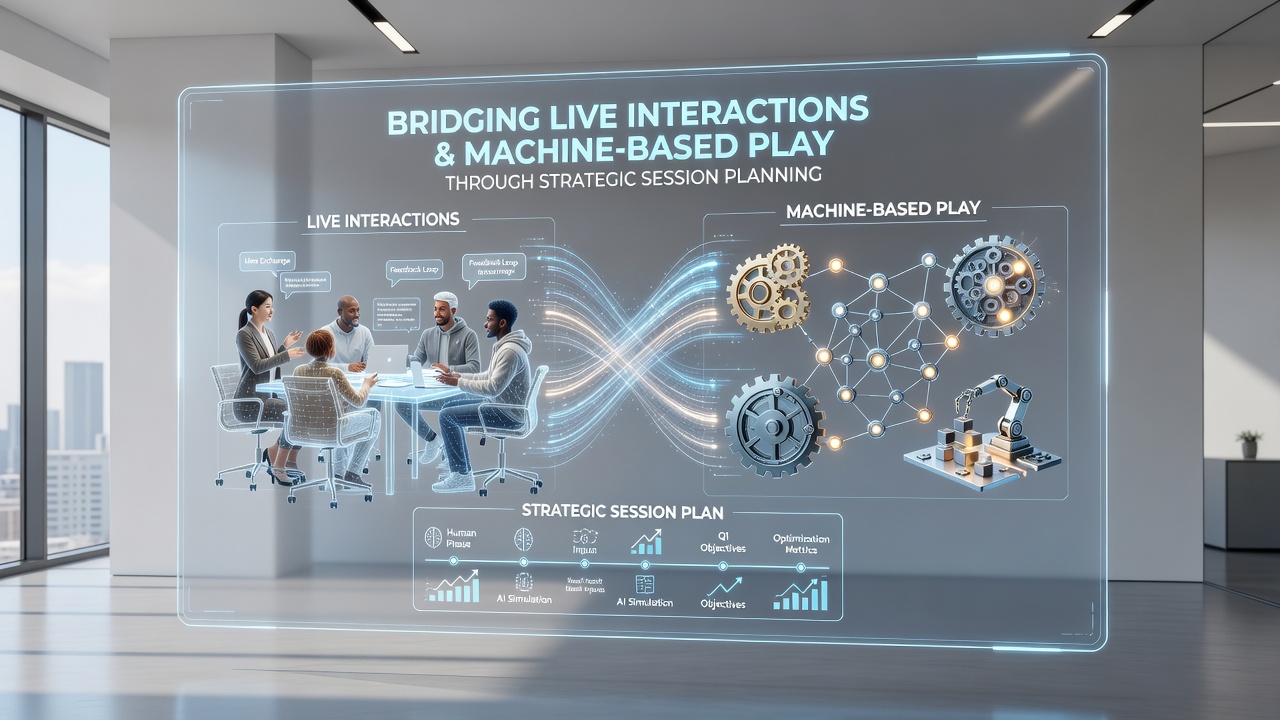
Strategic Session Planning for Connecting Live Dealer Tables and Automated Gaming Machines
Session planning in casino environments involves structuring time and resources to move between live dealer interactions and machine-based activities without losing momentum or control over bankrolls, according to industry reports from the American Gaming Association. Observers note that this approach allows participants to alternate between human-paced table games like roulette or baccarat and faster-paced digital options such as video slots. Data from various gaming venues indicates that structured transitions help maintain focus across different game types.
Core Elements of Blended Session Design
Effective plans start with clear time blocks allocated to each format, where live segments emphasize social pacing and decision-making while machine portions focus on volume and pattern recognition. Researchers at institutions tracking player behavior have documented that dividing sessions into 45-minute live intervals followed by 30-minute machine bursts produces steadier engagement levels than unstructured approaches. Those who've studied these patterns point out that bankroll division plays a central role, with separate envelopes or digital trackers assigned to each segment to prevent cross-contamination of funds.
What's notable is how venue layouts influence these strategies, since many properties cluster live tables near machine banks to reduce travel time between activities. In July 2026 several North American operators introduced mobile apps that log session segments in real time, giving users instant visibility into remaining allocations. Figures from the Canadian Gaming Association reveal that players using such tools completed an average of 2.3 transitions per visit compared with 1.1 for those without planning aids.
Practical Techniques for Alternating Formats
One common method involves anchoring sessions around live dealer entry points, where participants join tables for a fixed number of rounds before shifting to nearby machines for recovery or acceleration phases. This sequence lets players absorb table rhythms first then apply similar observation skills to reel patterns or bonus triggers. Studies from the University of Nevada's gaming research program show that individuals who map these shifts in advance report lower instances of extended losing streaks across game categories.
Another technique relies on trigger events rather than strict clocks, such as completing a set number of hands at baccarat before moving to slots for a predetermined spin count. Venues in Australia have tested this model through loyalty program integrations that reward planned transitions with tiered comps. Evidence gathered by state regulators there indicates these systems encourage more deliberate pacing without restricting overall play volume.
Bankroll and Time Allocation Frameworks
Allocation frameworks typically split total session funds into percentages tied to game volatility, with lower-risk live segments receiving steadier portions and higher-volatility machines getting capped exposure. Observers at European trade conferences have highlighted spreadsheets and simple apps that adjust these splits based on real-time results, allowing automatic rebalancing when one segment outperforms expectations. This method connects directly to cross-game endurance because gains from one format can fund measured attempts in the other.
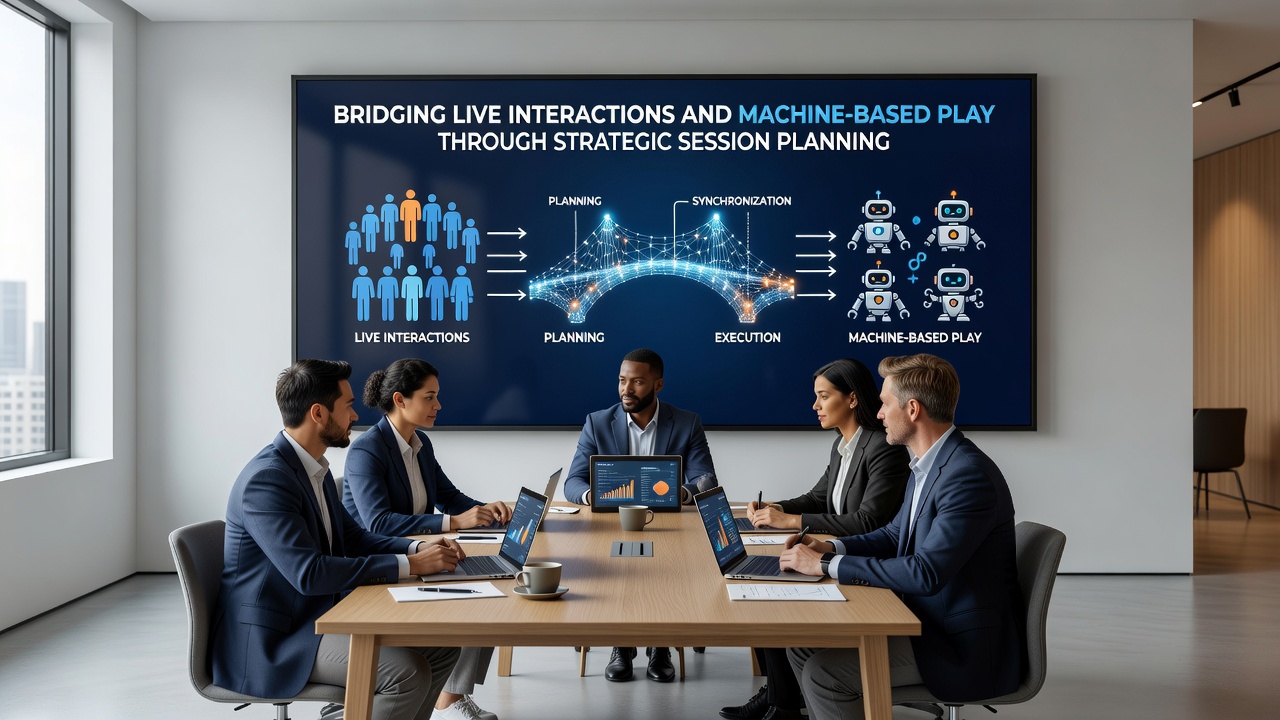
Time-based frameworks add another layer by setting hard stop points for each activity, preventing any single format from dominating the overall visit. Data collected across multiple jurisdictions demonstrates that visitors adhering to these boundaries extend their total play duration by roughly 25 percent on average while keeping expenditure within preset limits. The reality is that such boundaries also reduce decision fatigue when switching between social table dynamics and solitary machine interfaces.
Technology Supporting Integrated Play
Digital tools now assist with these transitions through features that track live table wait times alongside machine availability maps. Several major properties rolled out updated floor management systems in mid-2026 that sync with player accounts to suggest optimal switch points based on current occupancy and historical performance data. Those monitoring adoption rates note higher usage among repeat visitors who already practice segment planning.
Integration extends to loyalty platforms that award points for completing planned cycles rather than isolated game types, encouraging balanced exposure across live and automated offerings. Reports from the Asia-Pacific Gaming Council detail similar systems operating in Singapore and Macau properties, where session planners receive priority access during peak hours as an incentive.
Conclusion
Strategic session planning provides a structured pathway for moving between live dealer environments and machine-based gaming while preserving bankroll discipline and engagement continuity. Available data from multiple regulatory and research sources shows measurable differences in session length and outcome distribution when deliberate transitions replace random movement. As technology continues to support real-time adjustments, the frameworks outlined here offer adaptable models for various venue types and player preferences.