Temporal Alignments Between Shuffle Cycles and Reel Synchronization in Multi-Table Environments
Written by Yara Krause · May 27, 2026

Temporal Alignments Between Shuffle Cycles and Reel Synchronization in Multi-Table Environments
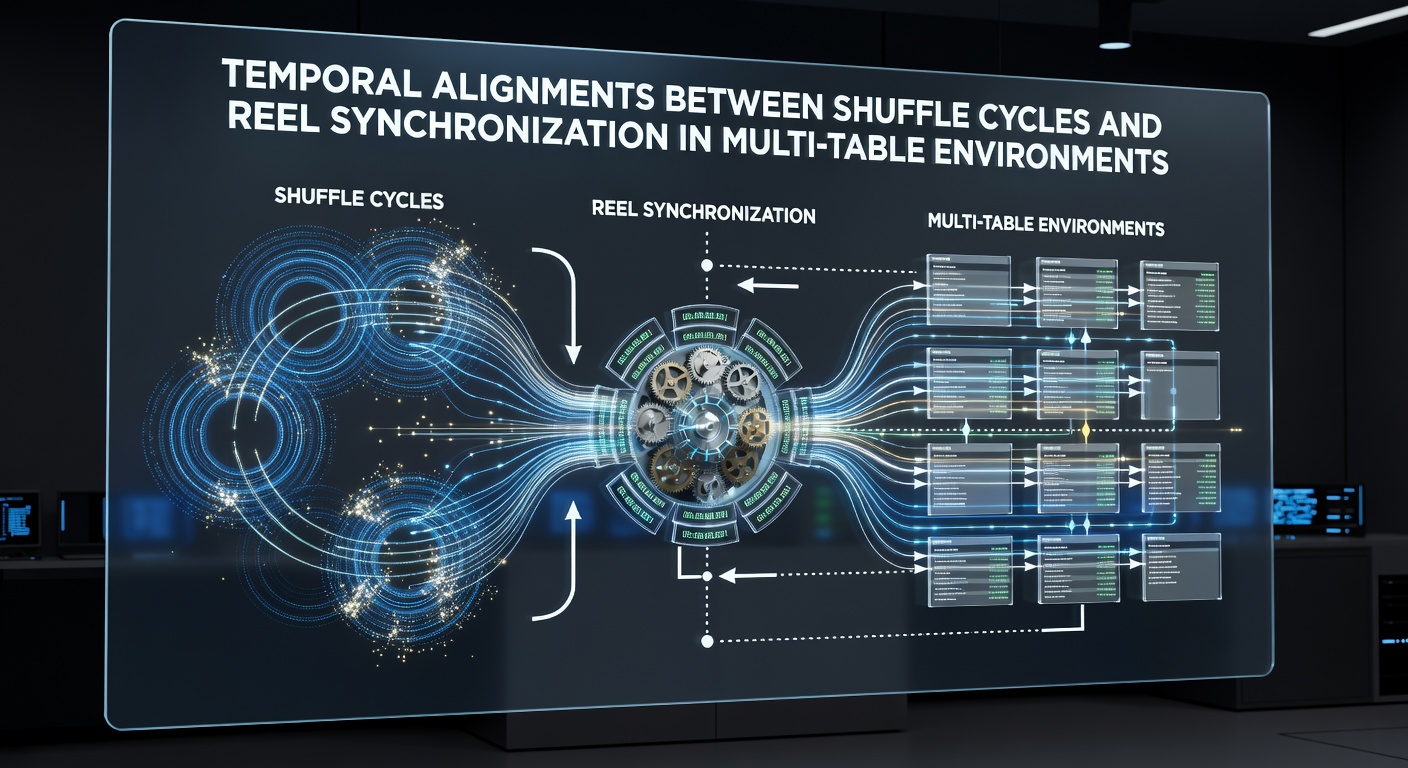
Multi-table casino environments present complex operational patterns where shuffle cycles from table games intersect with reel synchronization sequences from slot machines, and observers note these temporal alignments occur with measurable regularity across coordinated floor layouts. Data from facility management systems indicate that automated shufflers complete cycles in intervals ranging from 45 to 90 seconds depending on game type, while slot reels achieve synchronization points at fixed millisecond intervals governed by central servers.
Operational Timing Mechanics in Shared Spaces
Table game operations rely on continuous card handling equipment that resets decks at predetermined intervals, and these resets create brief pauses in play that align with slot machine reel stops when multiple stations share the same power and network infrastructure. Researchers at the University of Nevada, Las Vegas documented how peak alignment windows emerge during evening shifts when dealer rotations coincide with progressive jackpot triggers, producing simultaneous activity spikes across connected terminals. Facilities in North America have recorded these overlaps through internal logging software since the early 2020s, with patterns showing increased frequency in venues operating over 50 combined table and machine stations.
Impact of Server-Driven Synchronization Protocols
Centralized gaming servers enforce reel synchronization across banks of slot machines to maintain consistent payout verification, and this process generates timestamped events that occasionally match the completion markers from nearby shuffler units. A 2025 industry report from the Canadian Gaming Association detailed how Ethernet-based timing protocols reduce drift between devices to under 50 milliseconds, allowing operators to observe when table game pauses correspond directly with reel lock sequences during high-traffic periods. Such alignments affect network load calculations, prompting facilities to adjust staffing schedules ahead of anticipated convergence points.
Case Examples from Regional Implementations
One operator in Atlantic City implemented staggered shuffle initiation times across its blackjack and baccarat tables in early 2026, resulting in documented reductions in simultaneous system queries according to internal performance metrics. Meanwhile, a Melbourne casino complex reported in May 2026 that integrating GPS-synced clocks across table and slot zones produced clearer visibility into alignment clusters, enabling more precise maintenance windows without interrupting player sessions. These adjustments demonstrate how minor protocol tweaks alter the frequency of temporal overlaps without requiring hardware replacement.
Technical Factors Influencing Alignment Frequency
Hardware specifications play a direct role in determining how often shuffle completions match reel synchronization events, with older shuffler models exhibiting wider variance in cycle duration compared to newer servo-driven units. Network latency measurements collected by the International Association of Gaming Regulators show that venues using fiber-optic connections experience tighter clustering of alignment events than those relying on wireless backups. Software updates released by major equipment manufacturers in 2025 introduced optional offset parameters that allow operators to shift reel timing windows by 100-200 milliseconds, thereby spreading potential overlap points across longer intervals.
Data Collection Methods and Reporting Standards
Facilities track these phenomena through integrated logging platforms that timestamp every shuffle completion and reel stop event, then aggregate the data into hourly heat maps for analysis. European regulatory frameworks require quarterly submission of such timing statistics to oversight bodies, and similar requirements exist in several Australian states where multi-table operations exceed certain size thresholds. Analysts apply Fourier transform techniques to identify recurring alignment cycles within the raw event streams, producing reports that highlight periods of elevated concurrency for operational planning purposes.
Conclusion
Temporal alignments between shuffle cycles and reel synchronization continue to shape resource allocation decisions in multi-table environments as operators refine their use of timing data. Equipment upgrades, protocol adjustments, and standardized reporting practices have produced measurable shifts in how frequently these overlaps occur, while ongoing research from academic and industry sources provides additional context for future refinements.